Nepal Dance School


  • Nepali Folk
  • Buddhist Lakhe
  • Buddhist Manjushree
  • Tabla
  • Madal
  • Folk Instruments

Nepali Folk Dance

What is it?


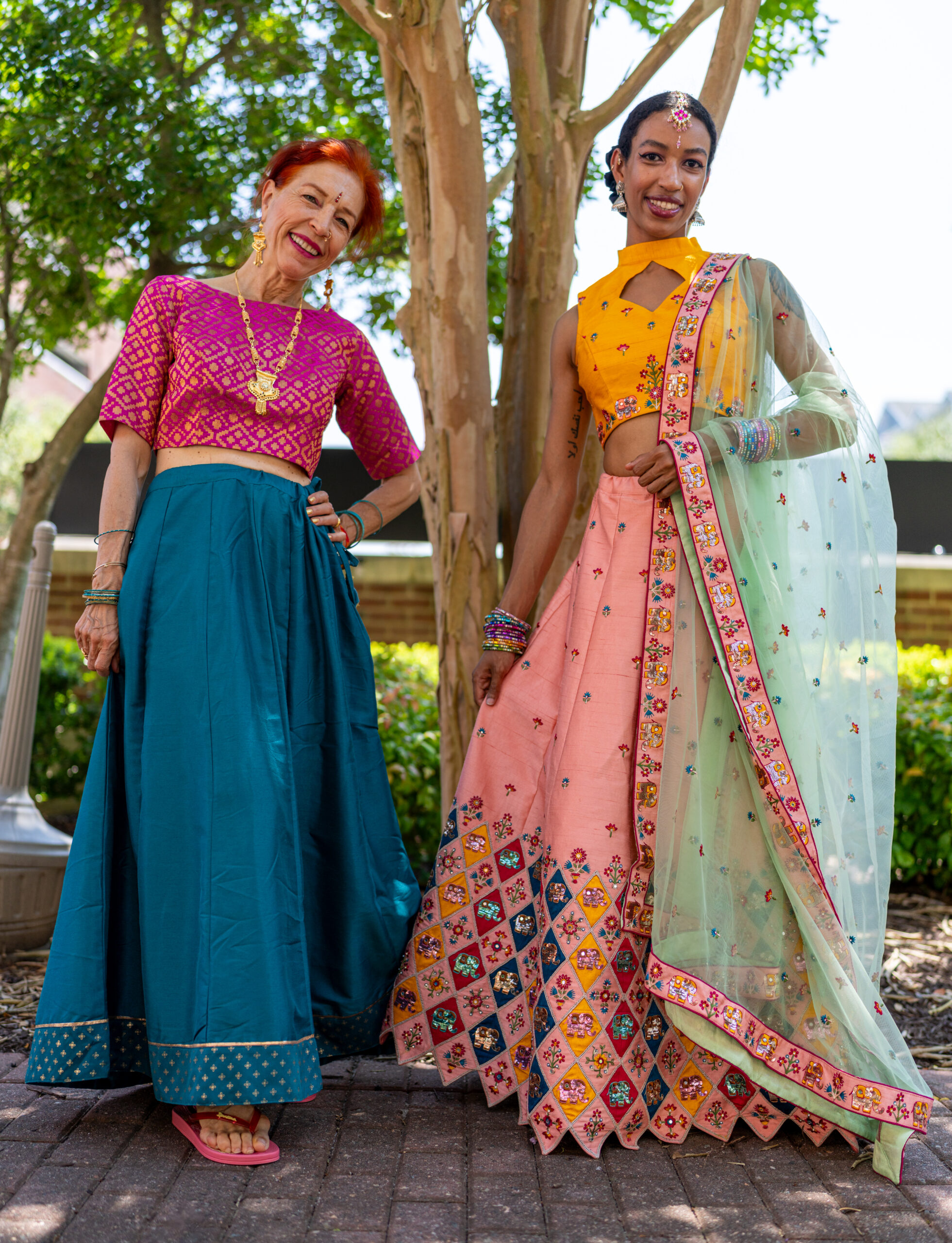
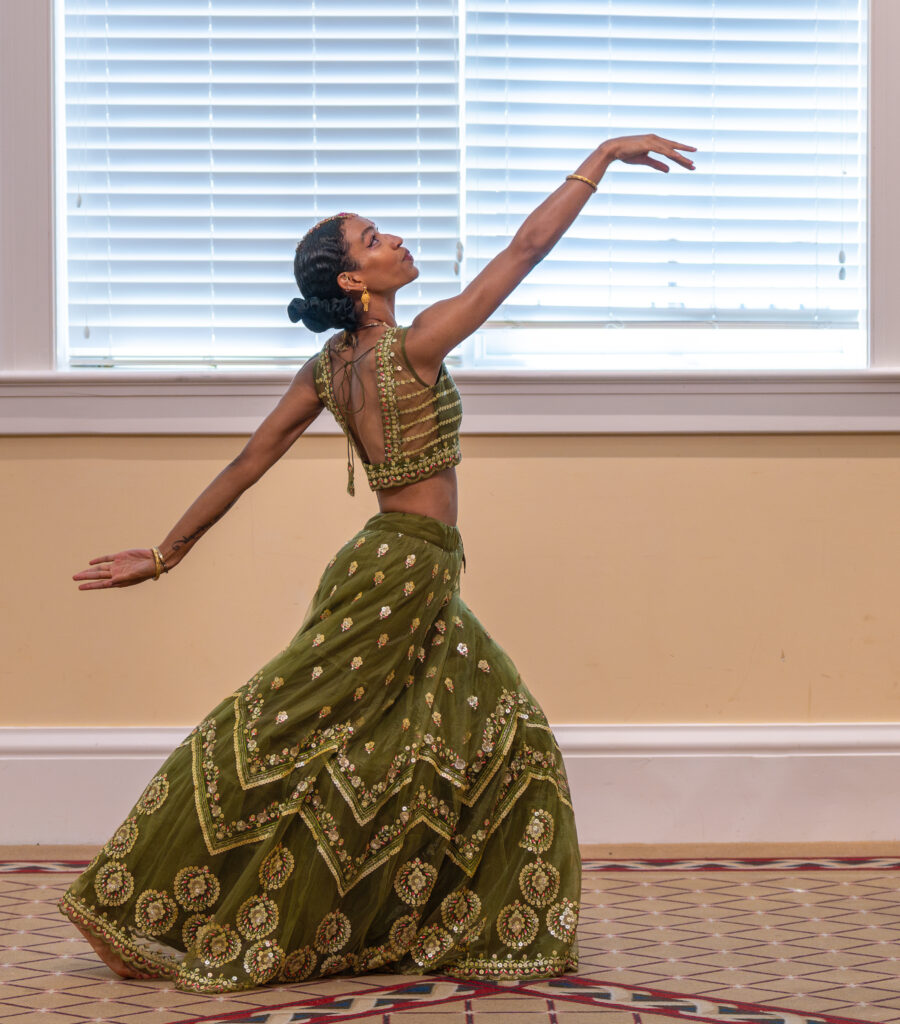
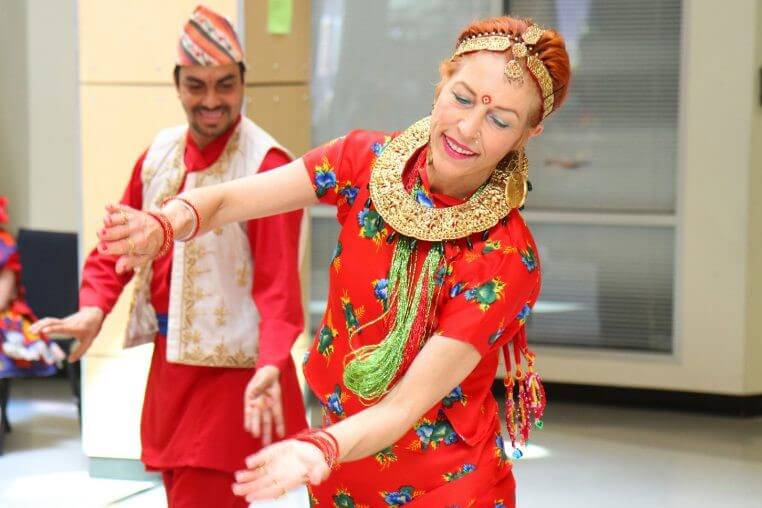
Nepali folk dance has the wonderful themes of love and courtship, everyday life, religious worship, happiness and sadness, and often a lot of good-natured teasing. Dancers, both men and women, wear traditional Himalayan costumes that are colorful and have elaborate jewelry and hair ornaments.


To get a better idea of what Nepali folk dance is like, watch the clip below or browse our gallery.


Nepali Folk Dance PoseWhere do we teach it?

  • Private: weekdays/weekends, by semester only (8 classes), children and adults

How much are lessons?


LakheWhat is it?


The Lakhe dance is performed yearly during the Indra Jatra Festival in the streets of Kathmandu. As king of the demons, the Lakhe serves to protect the residents of the city from evil spirits and misfortune. His dance is wild and spontaneous, performed to the music of cymbals and special drums. Masked and robed in red, his bells jingle loudly as he hunts and destroys the dangerous demons.


To get a better idea of what the Lakhe dance is like, watch the clip below or browse our gallery here.


Where do we teach it?

  • Private: weekdays/weekends, by semester only (8 classes), children and adults

How much are lessons?

Manjushree Pose

What is it?


Manjushree is said to be the founder of the Kathmandu Valley and is the Nepalese god of Divine Wisdom. His attributes, both physical and spiritual, are demonstrated in this beautiful stylized dance, which combines soft body movements with hand mudras, or signs, each one with a meaning of its own.


To get a better idea of what Manjushree dance is like, watch the clip below or browse our gallery here.


Where do we teach it?

  • Private: weekdays/weekends, by semester only (8 classes), children and adults

How much are lessons?

Playing TablaWhat is it?


The tabla is actually two drums, considered as one instrument. It is believed that it originated when the pakawaj, a much older style of drum, was "cut in two". The tabla is a very diverse instrument. It can be played solo, as an accompaniment to songs, bhajans, the harmonium, or with stringed instruments, such as the sitar, sarangi, and violin. It can accompany Western style music as well.


In Kathak, the tabla is all-important, and the relationship between the tabla player and the dancer is essential to any performance. Artists use a system of syllabic sounds, known as bols, to illustrate the rhythmic cycle, called taal. The perfect match of tabla player/Kathak dancer comes as they complete a toda or other piece of music, and simultaneously arrive at the sum, or first beat of any cycle, with a release of power and energy.


The tabla is a physically demanding instrument, and requires a thorough knowledge of endless possibilities of combinations of bols in many distinct taals. The performance of a tabla solo executed by a master is unforgettable.


Where do we teach it?

  • Private: Weekdays/weekends, by semester only (8 classes). Children and adults.

How much are lessons?

Where can I get a tabla? How can I get mine repaired?Tabla

  • NDS carries a selection of fine tablas, which come with necessary accessories and a soft carrying case. Please contact us if you have any special requests regarding your tabla's desired tonality. $350
  • Students taking one of our classes may opt to join our "rent with option to buy" program, which requires a deposit and monthly payments of $50. Please inquire for details.
  • We also provide repair services for your instrument. For more information, contact us.

MadalWhat is it?


The madal is the national instrument of Nepal. It is a type of drum which is struck on both ends, using a rhythmic pattern. Nepali Folk dance is usually accompanied by the madal, and it is virtually impossible to travel through any village in Nepal without hearing the soft and mellow sounds of a madal being played somewhere.


Where do we teach it?

  • Private: Weekdays/weekends, by semester only (8 classes). Children and adults.

Where do I find a madal and how much are lessons?

  • Madals are available from NDS in a variety of sizes and tones. Please contact us if you have any special requests regarding your madal's desired size or tone. $65
  • Private: Tuition upon request

NDS offers a wide range of traditional folk instruments, including flutes, kartal, and wind drums. These instruments are handmade by local artisans in Nepal.


Kartal (set of 2): $25


Kartal


Flutes:

Sizes & Colors


Nepali Flutes


Wind Drum: $25


Wind Drum


© 2011 Nepal Dance School. All Rights Reserved.